/ catalog / custom grafting

Custom benchgrafted fruit trees, from 6,000 head.

A two-season nursery program: peach, nectarine, apricot, plum, sour cherry, walnut, and almond prepared around your cultivar, rootstock, climate, and planting plan. Built to spec at our Stavropol Krai nursery and released for pickup.

Deposit
30%
balance on release
Crops
7 by contract
Lot
From 6,000 saplings
Lead time
2 seasons
Scion
Yours or ours
Release
Stavropol yard pickup
Inquiry
Discuss the program
Nursery in Stavropol Krai · Sunzha villageTwo-season production program+7 905 405 15 68
/ for the orchard plan

A production order, not stock leftovers.

Custom grafting is its own production program: the lot is grown for two seasons to an agreed specification — not assembled from leftovers.
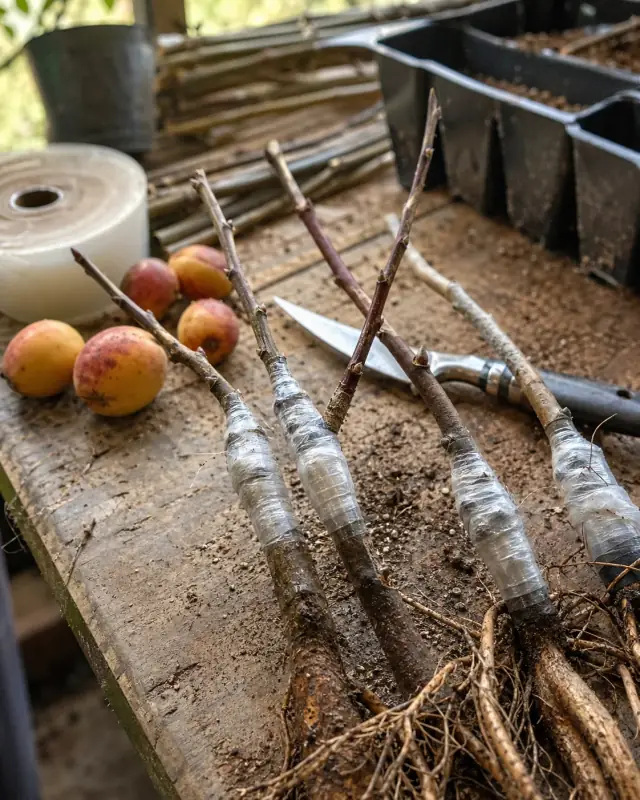
  • 01Your tested scion — or we source the cultivar
  • 027 crops: peach, nectarine, apricot, plum, sour cherry, walnut, almond
  • 03Season 1 — grafting and take rate · season 2 — release
  • 04Grading, labeling, packing — pickup by appointment
  • 05Contract, lot specification, phytosanitary certificate
Custom benchgrafting in the nursery near Stavropol
custom crops
7
minimum
6,000
lead time
2 seasons
deposit
30%
/ crops

Crops we prepare by contract.

01
Peach
Cultivar and rootstock planning for climate, orchard layout, and market goal.
02
Nectarine
A lot built around the selected cultivar, sapling grade, and planting window.
03
Apricot
Custom benchgrafting for commercial blocks and agreed scion material.
04
Plum
Rootstocks can include cherry plum and VVA-1, confirmed before grafting.
05
Sour cherry
Prepared on request after rootstock, cultivar goal, and lot size are confirmed.
06
Walnut
For projects where origin, traceability, and a uniform lot matter.
07
Almond
Rootstock and cultivar planning for southern zones and commercial use.
/ how it works

The order is locked before grafting.

  1. 01

    Brief

    Send crop, cultivar, volume, planting region, and target release season.

  2. 02

    Scion and rootstock

    We review scion source, choose rootstock, and confirm the production spec.

  3. 03

    Nursery school

    The first season covers grafting, take rate, and controlled nursery growth.

  4. 04

    Release

    The second season covers grading, labeling, packing, and pickup by appointment.

/ order terms

Custom grafting needs a precise production brief.

Crop, cultivar, scion origin, rootstock, volume, and release season are fixed up front — a two-season production run, not a stock shelf.

From 6,000 head30% deposit2 seasonsScion by 15 August
/ frequently asked

What buyers usually ask first.

  • Can you graft fruit trees using my cultivar?
    Yes. We can use tested scion wood from an approved source or help source a cultivar matched to your region, crop, and commercial goal. Rootstock, volume, grade, and release season are confirmed before the program starts.
  • Which crops can be benchgrafted on request?
    We handle peach, nectarine, apricot, plum, sour cherry, walnut, and almond by contract. Final acceptance depends on cultivar, rootstock, volume, and scion timing.
  • How long does custom benchgrafting take?
    The program runs two seasons. Year one covers grafting, nursery school, and take-rate control. Year two covers grading, packing, and release for pickup.
  • What is the minimum order for custom grafting?
    The minimum order is 6,000 saplings. Launching the program requires an agreed lot specification and a 30% deposit. The balance is paid on release.
  • When should scion wood be delivered?
    Scion wood from a tested source is accepted by 15 August. If the nursery sources the scion, timing and availability are confirmed by the trade desk in advance.
  • Can I use my own scion and what are the requirements?
    Yes. Scion is accepted with confirmed origin, phytosanitary status, and suitable length and diameter. Technical requirements and delivery dates are written into the specification before the program starts.
  • What documents come with the released lot?
    A supply contract, invoice, lot specification by crop and cultivar, hand-over act, and a phytosanitary certificate. Region-specific documents are prepared on request.